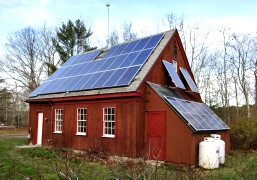
I have 46 solar panels installed ranging
from 175 W to 445 W per panel. In 2021 I installed heat
pumps in both buildings and use propane as backup, the
trade-off of having these energy intensive devices is I have a
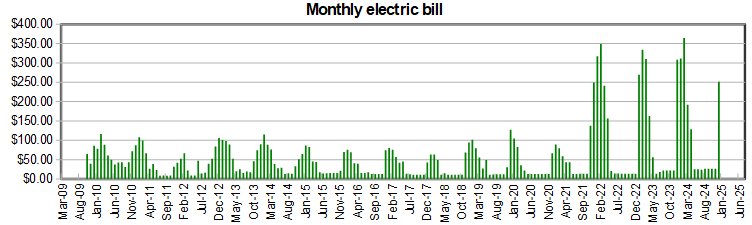
significant electric bills in the winter that
runs to many hundreds of dollars due to the low solar production
here in Maine. However, from May through October I only
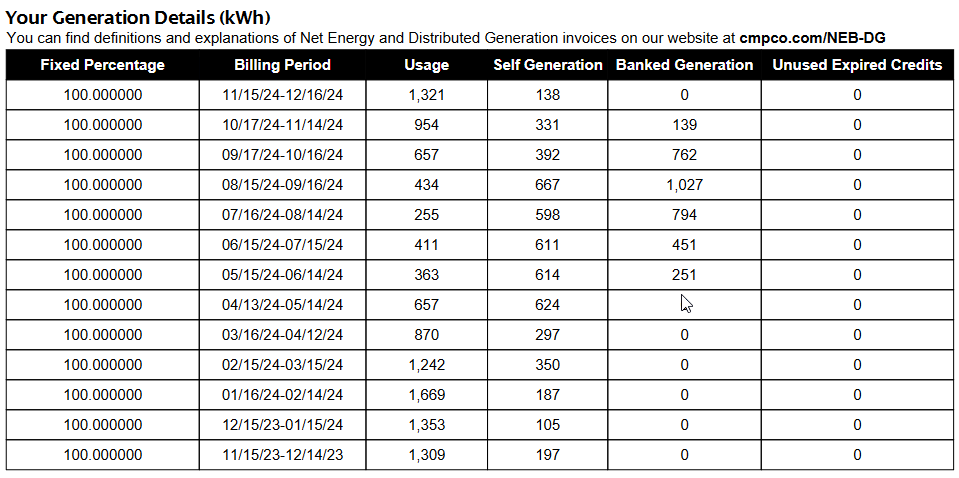
pay the utility for connection fee of $44. In the late summer and
fall I accumulate kilowatt hour credits that are applied to my
bill in the winter.
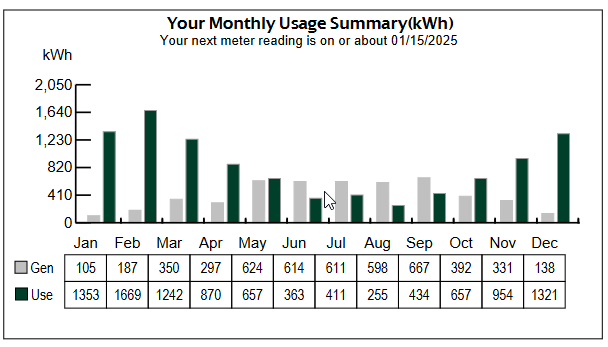
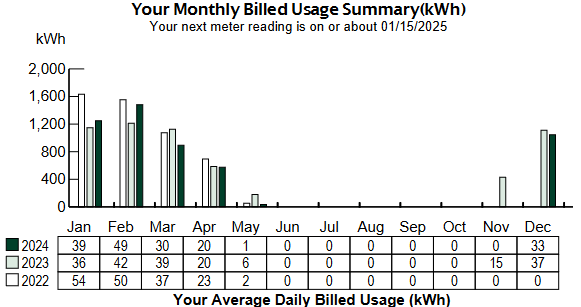
The statistics shown come from my Enphase energy monitoring
system data that I put into a spreadsheet to create the charts
below and also from my electric bill.
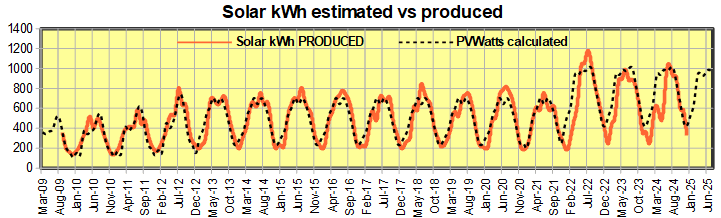
The chart below
shows the estimated power that my solar panels should
generate based on calculations from the
PVwatts calculator provided by the National Renewable
Energy Labs. The calculations factor in weather data from
the nearest reporting weather station to account for
seasonal overcast. The actual energy produced is obtained
from my monthly reports provided by the Enphase Enlighten
web interface (the real-time performance data from my
micro-inverters). I update the graphs in the middle of each
month after I get my utility bill.
In the chart below actual usage lags behind the estimated
due to the discrepancy between monthly estimated data and
the billing cycle that ends mid-month. The increases
in production are due to adding solar panels.
Enphase have released a study showing that their microinverters
out perform PVWatts calculations by up to 8%. They
looked at regular string inverters and found that they
underperformed PVWatts numbers by up to 8%. So this
validates my decision to invest in Enphase inverters.
My electrical power usage varies due to variations in
my use of energy intensive power tools, miles driven in my
EV. Energy consumption also peaks in the winter when
I use the heat pumps - it stays below freezing
for months here in Maine. When I purchased my first
Chevy Volt in May
2012 my monthly usage went up by around 3-400kWh/month - and
a bit more in 2024 when I got a 2021 Chevy Bolt.
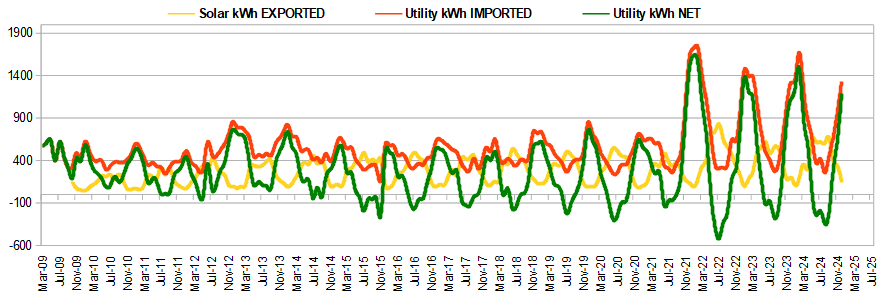
The chart above shows
power imported from utility in red,
solar energy generated in yellow
and
net power in green. Basically, the chart shows how much energy I
saved by using solar power, which is clearly more in the summer
months. At my latitude in Maine USA (44 degrees) we get about 1/3
of the solar energy in the winter compared to the summer. My 2021
Chevy Bolt uses over 400kWh/month year round. I added 2 heat
pumps in 2021 which dramatically increased my consumption in the
winter.
Note that my utility has increased their minimum
"connection fee" from about $25 to just over $40 as of
June 2025.
This is an unfair punishment for those of us who choose
to go solar in my opinion.
My utility info:
Solar panels have become MUCH less expensive!
In November 2025 I paid .35/Watt for 2 455W Canadian Solar
panels.



.jpg)